
Self-leveling urethane cement
This mix flows out into a smooth, even surface, so it suits rooms with steady foot traffic, light carts and regular washdowns. It's the pick when you want a smoother finish and the floor isn't taking heavy hits.
Floor coating peeling where hot water, washdowns or carts hit it? Urethane cement is made for rooms like that, and we'll tell you if yours is one.
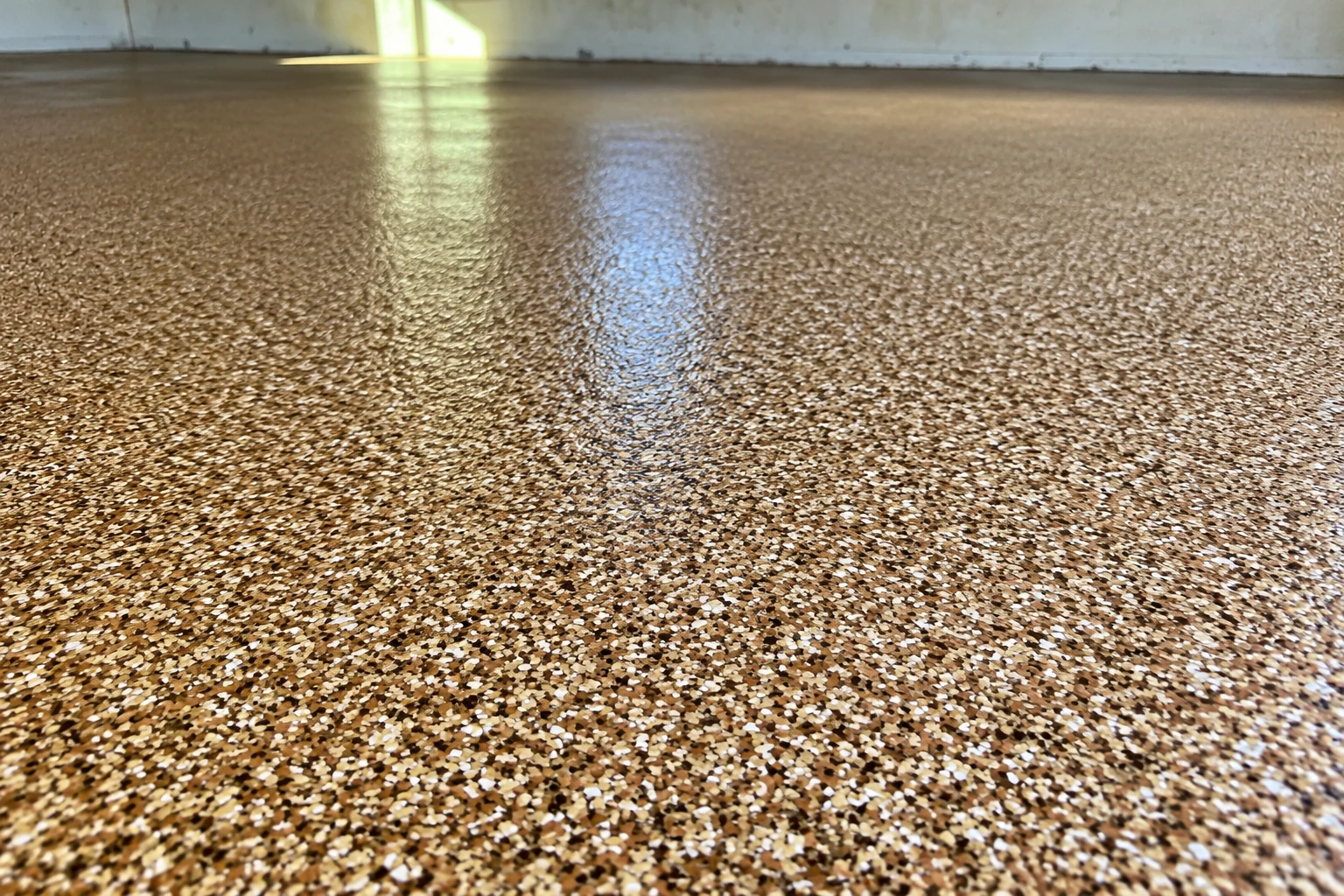
Urethane cement flooring in Concord is a heavy-duty floor for rooms that see hot water, washdowns, carts and heat, and we put it down once we know what your room goes through and what your slab is doing.
Usually the call starts with a floor that's already failing, like epoxy lifting near a hot-water drain or wearing through where carts turn. Before I suggest anything, I want to see what the slab underneath is doing, because most failed floors I've looked at went wrong below the coating, not in it. Price mostly comes down to the size of the room and how much work the slab needs before anything goes on it, and the schedule turns on that prep plus the cure time before you can use the room again. If the slab needs real work first, concrete grinding and surface preparation becomes part of the job, and your written estimate spells out why.
I come out to look at every job myself and write the estimate, so the person explaining your options is the one who'll stand behind them. When the floor goes in, I'm on site working alongside our crew, not checking in by phone.
I started this business in Concord in 2023, after working summers on flooring and concrete crews all through school. We're known for getting the slab right before anything goes on top, and I'll walk you through why we picked the system we did.
We're licensed and insured, and you'll know what we're doing to your slab and why before we start. Your satisfaction, guaranteed. When you're ready, call (925) 536-0504 or fill out the form on this page and tell us about your room.
We reply to calls and messages within one business day, and the on-site estimate is free with no obligation. I'll come out, check what's on the floor and how it's holding up, and give you a written estimate with the reasons behind it. It helps if you can tell us what the room is used for, its size, how much sun it gets and where the slab is cracked.
Concord's Building Division requires a permit for every new installation on its list of work requiring a permit, and if your job isn't on that list, you can call the division at (925) 671-3107 to ask. The city's Project Pal tool also shows which permits a project needs and estimates the fees. Commercial jobs and new homes can need separate applications to the Fire District, County Health or the Contra Costa County Sewer District when the work triggers their review, and the city doesn't send your building permit application on to them. Before we schedule, we check with the office that covers your address, and if the work needs a permit, we take care of the application and plan the job around it.
Around Concord, the calls for urethane cement usually come from shops, commercial kitchens and back rooms where floors get hosed down, plus the odd workshop or utility room in a house. We do the same work in nearby cities like Walnut Creek and Martinez, from Pleasant Hill out to Antioch and over to Vallejo, and if your city isn't listed, just ask.
Urethane cement is a floor made from a urethane binder mixed with Portland cement and graded aggregates, which are fillers sorted by size. You'll also hear it called urethane concrete or urethane mortar. The cement in it lets the floor move with your concrete slab instead of pulling away from it.
Urethane cement is the better pick when the room sees heat, hot water or washdowns, and epoxy often makes more sense in a dry room. One maker puts it bluntly, calling epoxy in a meat processing washdown area a recipe for failure and urethane cement in a dry office hallway a waste of money. Heat draws the clearest line, since that maker rates its urethane cement for steady use from -40°F to 220°F, with short spells up to 275°F, and most epoxy systems to 140°F at most.
Yes, plan on it. One maker's data sheet says moving joints and cracks will show through its finished urethane cement floor, so the condition of your slab belongs in the decision. If your floor is cracked, mention it when you call so I know where to look first.
Under one maker's test conditions of 77°F and 50% relative humidity, its urethane cement takes light foot traffic after 12 hours and light wheel traffic after 24 hours. It reaches full cure in 7 days, so plan walking, carts and full use of the room around those times. Your room won't match a test lab, so we set your schedule around the product we pick and the space it goes in.
We price each floor after I've seen it, because your slab and your room drive the cost more than the material does. Old coatings that have to come off, cracks that need repair and whether the room calls for the self-leveling or troweled version all move the number. A sunny room adds a step, since one maker says its urethane cement isn't UV stable and will discolor in sunlight unless it gets a UV-stable topcoat.
California's C-15 flooring contractor class covers preparing any surface for flooring and installing established flooring materials, other than ceramic tile. On a urethane cement job, that prep is a big share of the work, since so much happens to the slab before the new floor goes down.